

Tue 28 July 2026
Spain News | Wildfires in Spain: How They Start and How to Stay Safe
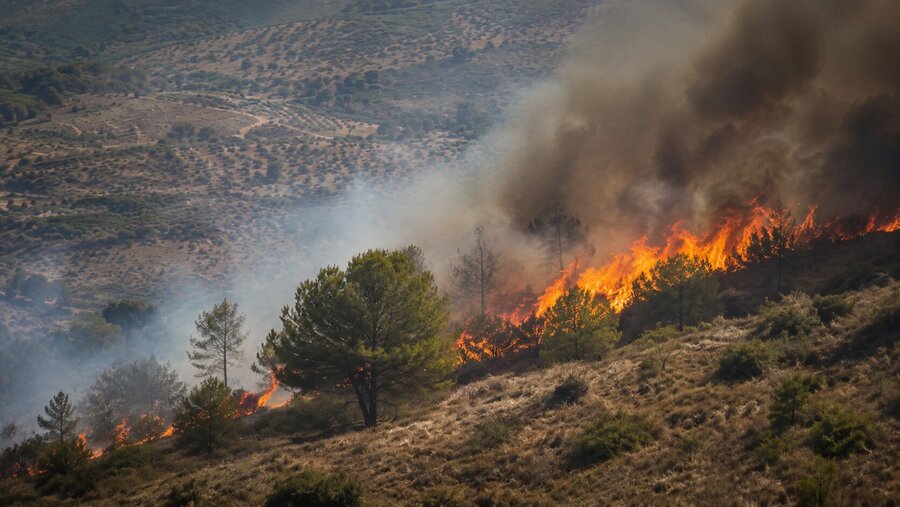
Spain is experiencing a particularly serious wildfire season, with large fires affecting several parts of the country during July 2026. Extreme heat, strong winds and very dry vegetation have helped fires spread rapidly, leading to evacuations in central and eastern Spain.
For those living in or visiting Jávea and the Costa Blanca, it is important to understand how fires start, how they spread and what to do during an emergency.
How do wildfires start?
Wildfires need an initial source of heat to ignite dry grass, trees or other vegetation. Some start naturally through lightning, but many are connected to human activity.
Common causes include:
• Discarded cigarettes
• Uncontrolled garden or agricultural burning
• Barbecues, bonfires and campfires
• Fireworks
• Sparks from machinery, vehicles, railways or electrical equipment
• Rubbish and glass left in the countryside
• Deliberately started fires
Spanish Civil Protection explains that fires may be caused by negligence, accidents, deliberate actions or natural events such as lightning.
Starting a fire and the fire spreading are two different things. High temperatures, low humidity, strong winds, dry soil and dried vegetation can turn a small flame into a major wildfire. AEMET now uses these factors, together with vegetation and land conditions, to calculate the daily level of wildfire danger.
How can we help prevent fires?
During the summer, never throw cigarettes, rubbish or glass into the countryside. Avoid lighting fires near woodland and always check local restrictions before using a barbecue, burning garden waste or carrying out work that could create sparks.
Fire regulations can change depending on the region and the daily risk level. Residents in Jávea should check information from AEMET and 112 Comunitat Valenciana before planning any activity involving fire.
Homeowners living close to woodland should also keep plots, gardens and access roads clear of excessive dry vegetation. Creating space between properties and surrounding vegetation can make homes less vulnerable and allow emergency vehicles to enter more safely.
What should you do if you see a fire?
Call 112 immediately, even when the fire appears small. Give the clearest location possible and explain what you can see.
Do not enter wooded areas or drive towards smoke. Move towards an open area with good visibility and as little vegetation as possible. Always follow instructions from the police, firefighters and emergency services, and leave immediately when an evacuation is ordered.
Wildfires can change direction quickly, particularly during hot and windy weather. Staying informed, acting responsibly and reporting smoke early can help protect our homes, countryside and local community.